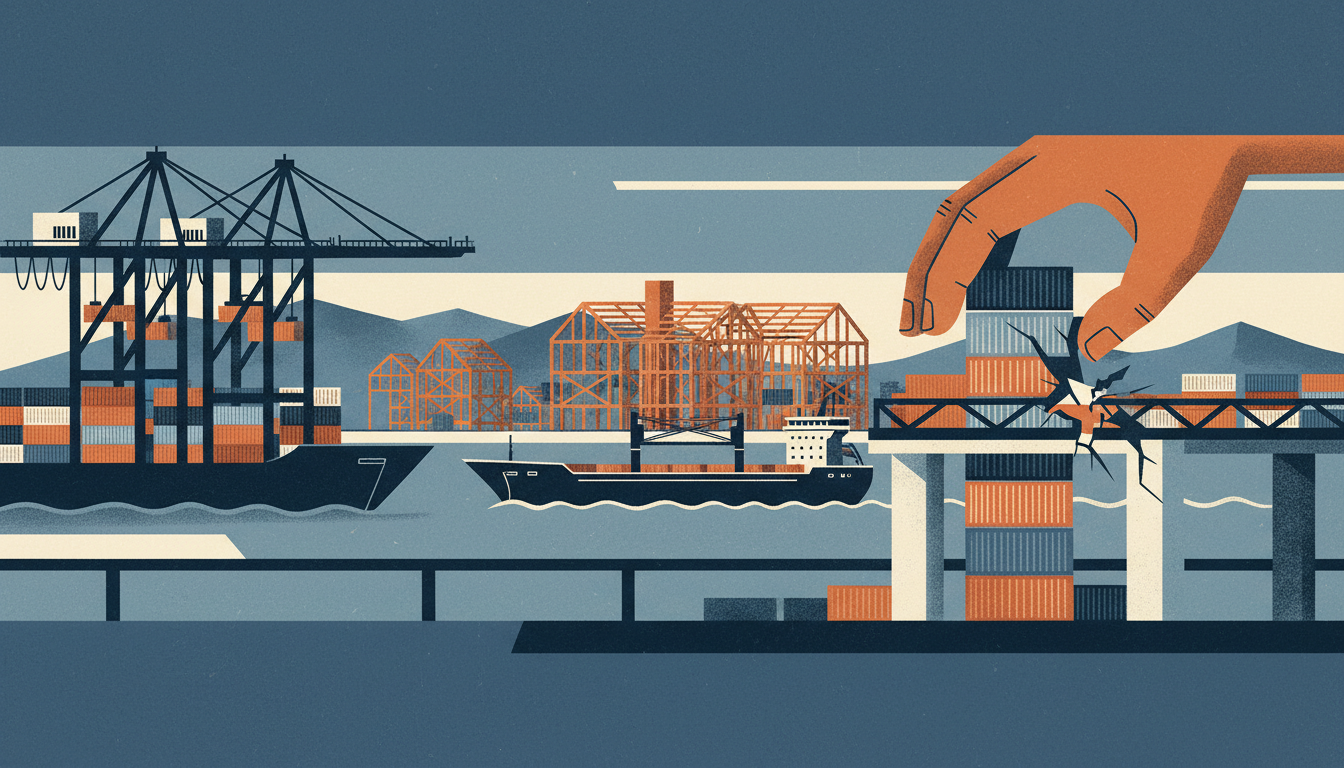
On July 20, 2026, U.S. President Donald J. Trump invoked Section 338 of the Tariff Act of 1930 to impose a 50 per cent tariff on certain Canadian imports, effective Aug. 19.
The tariffs apply to approximately $20 billion USD in Canadian exports annually, about five per cent of all goods Canada ships to the U.S., including key products such as dairy items, alcoholic beverages, motor vehicles, and hockey sticks.
According to a fact sheet issued by the White House, the administration cited Canada's discriminatory trade practices against U.S. exports, particularly in favour of the European Union, as justification. "Canada has engaged in protectionist measures including restrictive dairy tariff-rate quotas, provincial boycotts of U.S. alcoholic beverages, and elevated tariffs on U.S. motor vehicles," the document said (White House).
These tariffs, set at 50 per cent, will apply even to goods that qualify as originating under the United States-Mexico-Canada Agreement (USMCA). They are stacked upon existing duties under other tariff authorities such as Section 232, intensifying the cost burden on Canadian exporters.
The use of Section 338 marks the first time in nearly 70 years that this authority has been invoked. "The Trump administration's decision to impose these tariffs using Section 338 signals a more aggressive stance in its trade policy towards Canada," said a report from White & Case LLP (White & Case).
Trade data shows the impact of Canadian protectionist policies prior to the tariff imposition. U.S. motor vehicle exports to Canada declined 22 per cent, amounting to $5.6 billion USD less from April 2025 to March 2026. Furthermore, U.S. alcoholic beverage exports to Canada dropped by 81 per cent, or $582 million USD, from March 2025 to February 2026, according to the White House and White & Case analyses.
As of Aug. 12, 2026, no Canadian industry groups or provincial officials had issued official statements on the tariffs' effects on sectors including dairy, alcohol, and automotive manufacturing.
These developments complicate the future of the USMCA, which took effect in 2020 to facilitate more balanced trade among North American partners. The tariffs apply despite USMCA rules, raising questions about the agreement's enforceability.
The tariff escalation could prompt retaliatory measures from Canada, which could affect both economies.
The White House fact sheet emphasises the objective of achieving reciprocal market access and eliminating discriminatory trade barriers.
While Canadian government officials have not publicly detailed their response as of Aug. 12, 2026, industry groups and trade representatives are anticipated to advocate for diplomatic negotiations to resolve the dispute.
The use of a nearly dormant trade law provision marks an intensification of unilateral trade measures. It could influence future U.S. trade policy toward other trading partners perceived as engaging in unfair trade practices.
The tariffs take effect Aug. 19.