Sarah Mitchell is an award-winning investigative reporter with over 15 years of experience covering government accountability, corporate malfeasance, and civil rights. Her work has been cited by congressional committees and has led to policy reforms at the state and federal level.
Prior to joining The Daily Chronicle, Sarah spent eight years at The Washington Post, where she was part of the team that won the 2019 Pulitzer Prize for Public Service. She holds a Master's in Journalism from Columbia University and a Bachelor's in Political Science from the University of Michigan.
Sarah is a frequent panelist at the Investigative Reporters & Editors (IRE) conference and has taught investigative techniques at NYU's Arthur L. Carter Journalism Institute. She is a member of the Society of Professional Journalists and the Online News Association.
Canada has extended its temporary immigration measures for Palestinians until December 2027, allowing eligible individuals to apply for work and study permits. The updated measures support Palestinians in Canada who cannot return home and those seeking to enter from Gaza, with fee-exempt options for new arrivals. IRCC also provides financial aid, health coverage, and settlement services to displaced Palestinians.
Perez Hilton’s mother filed for temporary custody of his three children after his hospitalization under Florida’s Baker Act following a public mental health crisis. The celebrity blogger livestreamed self-harm on Aug. 4, prompting family intervention and a court case sealed to protect the children’s privacy. His family is prioritizing recovery and safety while urging respect for their privacy.
Central Alberta landowners are raising concerns over large-scale freshwater withdrawals for fracking amid worsening drought conditions, with companies like Spartan Delta and Canadian Natural Resources extracting billions of litres annually. Residents report drying streams and dropping groundwater levels, blaming industrial water use, while regulators face criticism for weak enforcement and insufficient protections. The region, already in Stage 4 drought, risks escalating water shortages for agriculture and residential wells.
The Canadian Armed Forces conducted the RED COBALT drone testing event on August 12, 2026, at a NATO centre in the Ottawa Valley, advancing uncrewed systems for military and coast guard use. The event, part of the Defence Drone Initiative, focused on real-world drone trials and collaboration with domestic manufacturers to boost Canada's sovereign defence capabilities. Key areas included surveillance drones, counter-drone interceptors, and precision strike systems, aligning with the nation's Defence Industrial Strategy.
Canada is shifting its foreign aid policy to prioritize trade and economic partnerships, cutting $560 million from programs while reducing staff by 1,240 positions by 2028-29. Critics, including former Liberal MP John McKay, argue the changes may violate the ODA Accountability Act by sidelining poverty reduction and human rights. The move follows a broader $2.7 billion aid budget reduction over four years.
Oakville, Ontario, has imposed a one-year moratorium on new data centre developments to assess infrastructure strain and environmental impacts amid AI-driven demand. The decision follows a proposed $3.5 billion AI data centre by BUZZ High Performance Computing, raising concerns over energy use and community readiness. Similar restrictions are being considered in other Canadian cities.
Israeli Prime Minister Benjamin Netanyahu rejected a US-led Gaza peace plan, demanding full Hamas disarmament before any Israeli withdrawal. Hamas insists on an Israeli pullout first, creating a stalemate in negotiations. Canada condemned attacks on Israel while urging humanitarian access to Gaza and supporting a two-state solution.
Three individuals have been charged in Yellowknife after an RCMP drug trafficking probe linked to violent incidents, including a stabbing and home invasion. Authorities seized crack cocaine, marijuana, steroids, a loaded pistol, and $20,000 in cash. The operation highlights ongoing efforts to combat drug-related violence in northern communities.
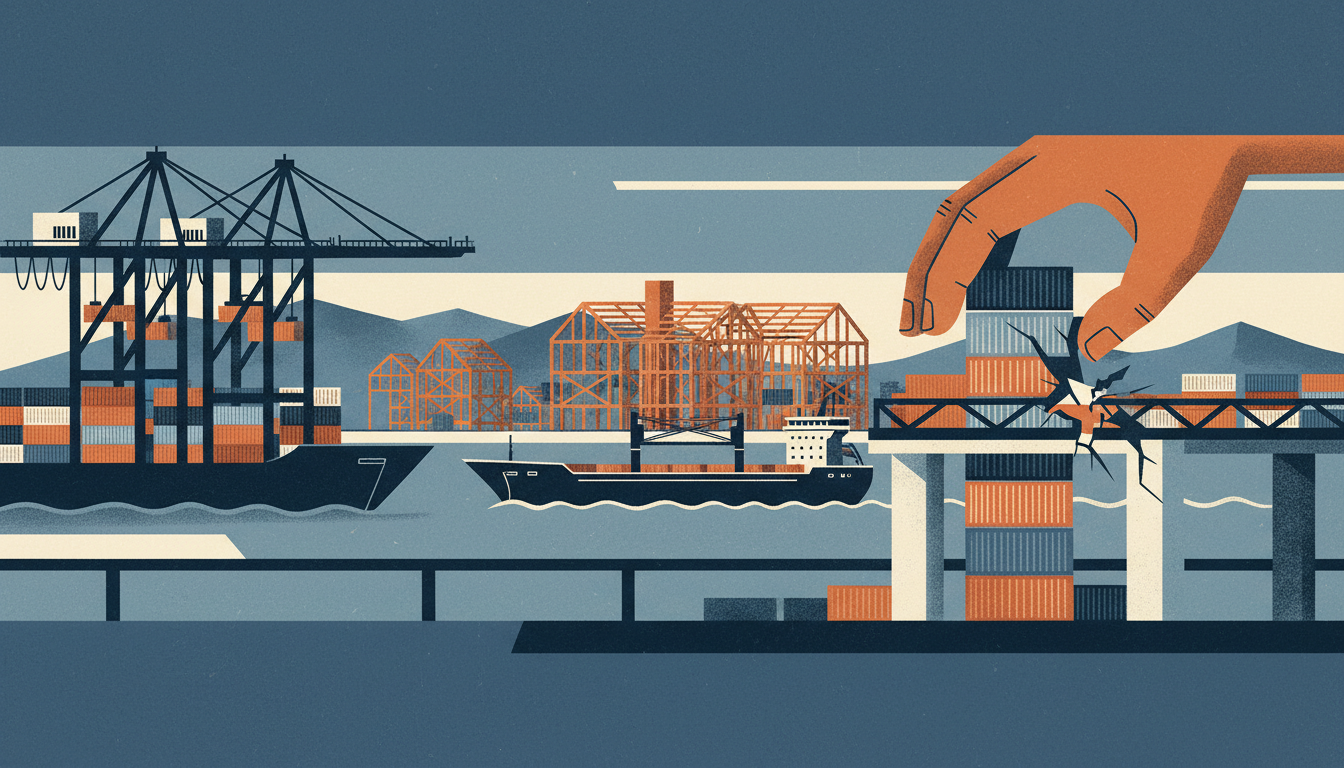
The U.S. imposed a 50% tariff on $20 billion in Canadian goods, including dairy, vehicles, and alcoholic beverages, citing Canada’s discriminatory trade practices. This marks the first use of Section 338 of the Tariff Act in nearly 70 years, escalating trade tensions under the USMCA. The move follows a 22% drop in U.S. motor vehicle exports to Canada amid pre-existing trade disputes.
A major rockslide on Aug. 11 closed an 82-kilometre section of the South Klondike Highway, stranding 200+ travellers, including cruise ship passengers. Crews aim to reopen one lane by Aug. 13, but heavy rain delays efforts, impacting tourism and commercial traffic. Officials advise monitoring 511 Yukon for updates.
A CUSMA breakdown could cost Canada 102,000 jobs and $271B in GDP by 2035, with Ontario and Quebec hardest hit, per reports. The looming 2026 deadline risks 50% tariffs on key exports, threatening trade-dependent provinces. Scotiabank warns of a 1.9% GDP contraction and rising unemployment if the agreement collapses.
Saskatoon’s Busting with Energy dragon boat team, made up of breast cancer survivors, will compete at the 2026 International Breast Cancer Paddlers' Commission Festival in France. Dragon boating has been shown to improve physical health and emotional well-being for survivors, with over 50 teams active across Canada. The sport challenges past medical advice and fosters community among participants.
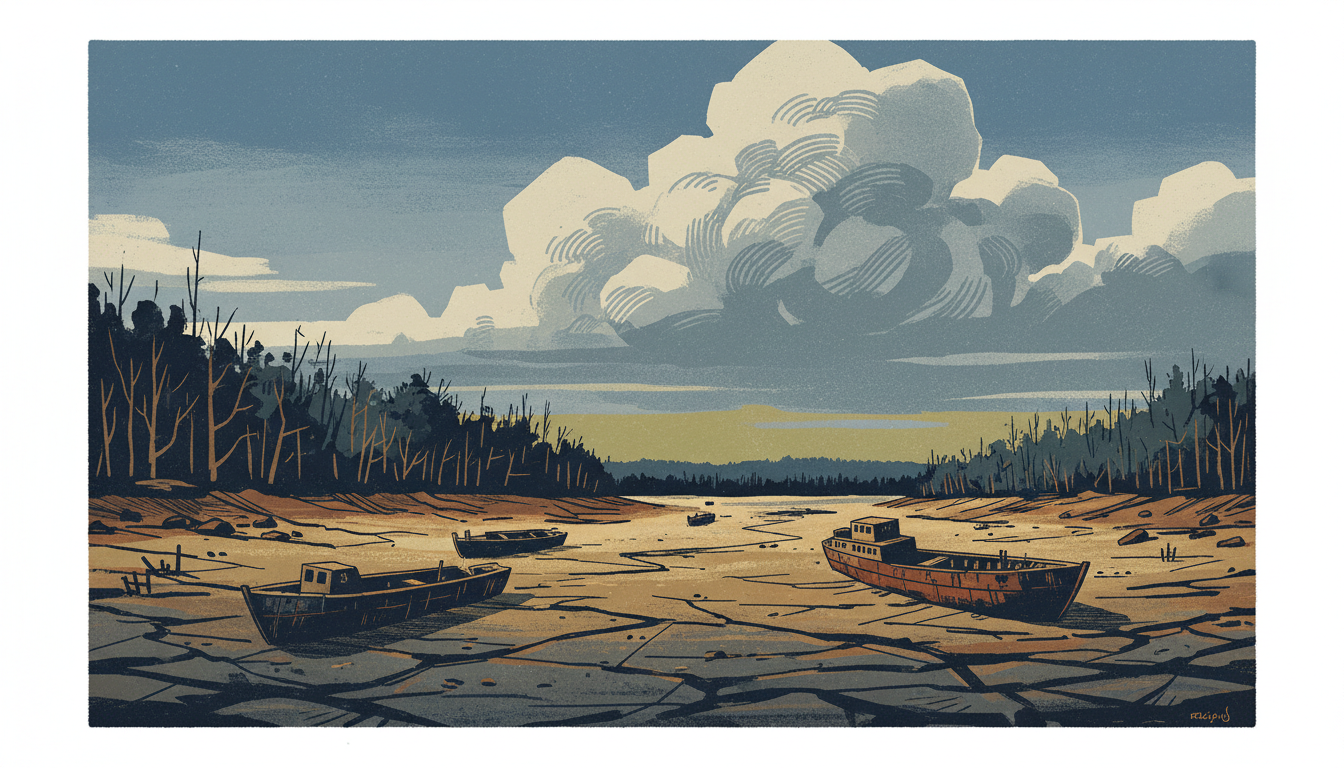
Europe’s fifth heatwave in 2026 has caused record drought, lowering the Danube River to historic lows and uncovering sunken Nazi warships from WWII. The extreme heat has led to 25,000 deaths, disrupted agriculture, energy production, and shipping, with Romania and Hungary imposing water restrictions. Climate scientists link the heatwaves to fossil fuel-driven climate change, warning of worsening conditions if emissions remain high.
Colombia recognized Israeli sovereignty over the Golan Heights in 2026, drawing condemnation from Syria and the international community, which views the territory as occupied Syrian land. The decision, made under President Abelardo de la Espriella, aligns with Israel's security claims but contradicts UN resolutions. Syria called the move a violation of international law and reaffirmed its territorial claim.
Canada's Foreign Affairs Minister Anita Anand urged restraint and respect for Lebanon's sovereignty after Israeli airstrikes killed one civilian and injured 12, amid ongoing ceasefire talks. Prime Minister Mark Carney condemned Israel's 2026 invasion as illegal, marking a shift from Canada's 2006 stance. Over one million Lebanese face displacement due to border evacuations, while Hezbollah rejects direct talks with Israel.
Montreal police disbanded a 16-officer patrol unit and suspended three officers following allegations of racial profiling and discrimination against Black and Arab residents in Montréal-Nord. The force announced disciplinary actions, oversight measures, and community partnerships to address systemic racism and restore trust. Reports show racialized residents in the area are four to five times more likely to be stopped by police.
Saudi Arabia, Turkey, and Pakistan signed the Mecca Joint Defence Agreement in 2026, forming a NATO-like alliance with a mutual defence clause to deter regional aggression. The pact aims to strengthen security amid ongoing conflicts, including the war involving Iran, while allowing potential expansion to include Egypt and Gulf states. The agreement could impact global energy markets by stabilizing the region and influencing oil supply dynamics.